The Science of Clogs: What’s Really Hiding in Your Drains

Most homeowners think of clogs as simple — something is stuck in the drain, so water can’t get through. But the truth is, clogs are more complex than they appear, especially in older Santa Monica homes. Over time, layers of debris, grease, soap, and minerals interact in ways that make them tougher to remove. Understanding the science of clogs can help you prevent them before they start.
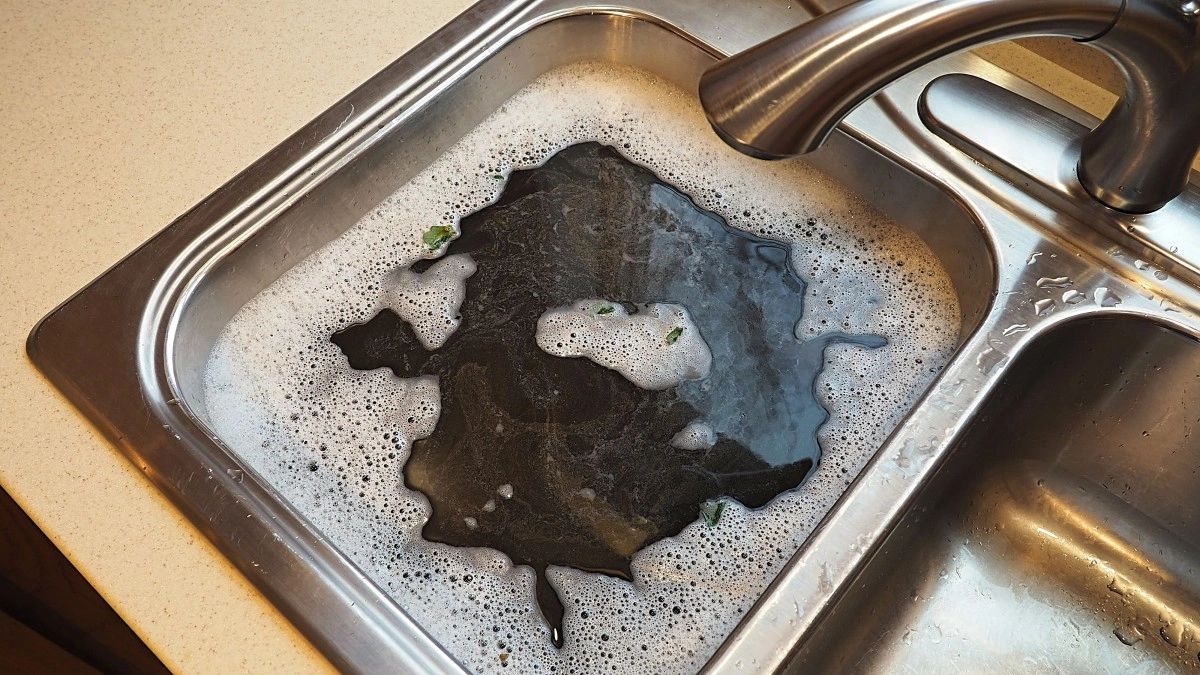
How Clogs Form
Clogs don’t happen overnight. They build up gradually as different types of debris collect and combine inside your pipes. Factors that influence clog formation include:
- Pipe Material: Older galvanized steel or cast iron pipes have rough interiors that catch debris more easily.
- Water Quality: Hard water deposits minerals inside pipes, reducing space for water to flow.
- Flow Speed: Slow-moving water allows solids to settle and stick to pipe walls.
The Common Ingredients of a Clog
1. Hair
Hair is one of the most common clog culprits, especially in bathroom sinks, tubs, and showers. It tangles with other materials, creating a web-like blockage.
2. Soap Scum
Soap scum forms when soap reacts with minerals in hard water, creating a sticky film that coats pipes. This film traps more debris and narrows the pipe opening.
3. Grease and Oil
In kitchens, cooking grease and oils harden inside pipes, forming a glue-like layer that traps food particles.
4. Food Debris
Even small food scraps can build up in kitchen drains, especially if the garbage disposal isn’t used properly.
5. Mineral Scale
Calcium and magnesium in hard water create scale buildup, which hardens over time and reduces water flow.
6. Foreign Objects
Cotton swabs, dental floss, and “flushable” wipes can wedge themselves inside pipes and catch other debris.
Why Clogs Are Harder to Remove Over Time
Once a clog starts forming, it becomes a magnet for more debris. Each new layer adds to the blockage, making it denser and more difficult to break apart. This is why minor slow drains eventually turn into full blockages if not addressed early.
Why Santa Monica Homes See More Stubborn Clogs
Many local homes still have original plumbing with narrower pipes than modern systems. Add in our coastal hard water and, in some neighborhoods, decades-old sewer lines, and you have conditions that make clogs form faster and harder to clear.
We’ve also seen cases where sand from beach trips ends up in shower drains, adding another element to clog formation.
How to Prevent Clogs Before They Form
- Use hair catchers in bathroom drains
- Avoid pouring grease or oil down the sink
- Run hot water after using kitchen drains
- Use a mild vinegar and baking soda rinse monthly to break up early buildup
- Schedule professional drain cleaning annually to keep pipes clear
The Role of Professional Drain Cleaning
At Santa Monica Drain Co., we use tools like augers and hydro jetting to not only clear blockages but also clean the interior walls of your pipes. This removes buildup and helps prevent future clogs from forming.
We also perform camera inspections when needed, so we can see exactly what’s inside your pipes — and sometimes, it’s surprising what we find.
FAQ:
Q: Are chemical drain cleaners effective for these kinds of clogs?
A: Not really — they may dissolve some organic matter, but they won’t remove grease, minerals, or foreign objects.
Q: How often should I have my drains professionally cleaned?
A: Once a year is ideal for older homes or homes with recurring clog issues.
Q: Can I use a garbage disposal for all food waste?
A: No — avoid fibrous vegetables, coffee grounds, and grease, which can still cause clogs.
Knowing what’s hiding in your drains is the first step to keeping them clear. If your sinks, showers, or tubs are draining slowly, it’s time to take action before the problem gets worse. Santa Monica Drain Co. is here to keep your plumbing flowing smoothly year-round.

Meta Description: Learn what’s really inside your drains, how clogs form, and how to prevent them from becoming stubborn blockages.
Keywords: drain clog causes, Santa Monica drain cleaning, clogged pipes, prevent plumbing clogs


